Orbital Mechanics
The physics behind every satellite.
Kepler’s laws, delta-v and orbital transfers, taught through simulation rather than formula memorisation.
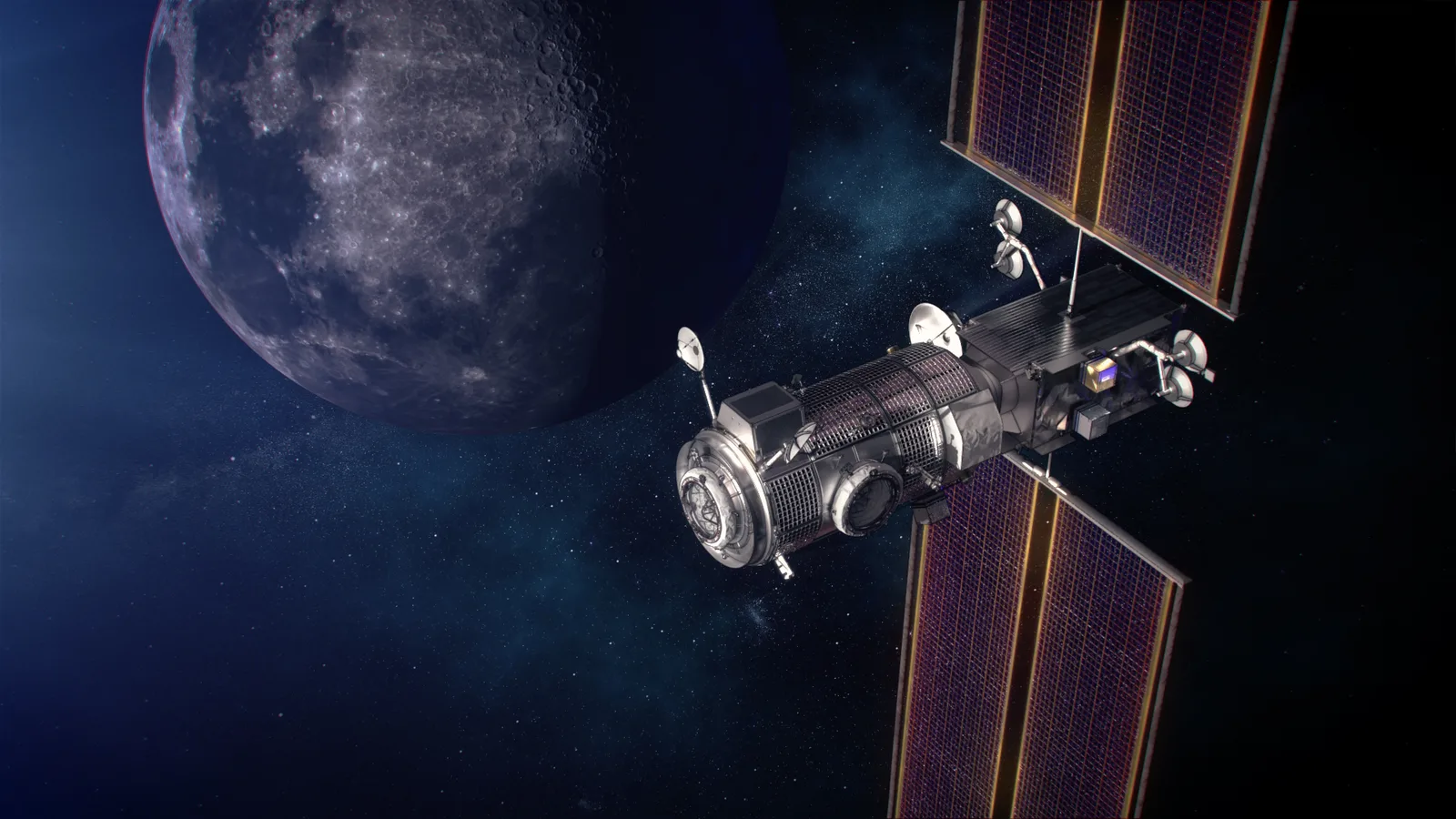
Illustrative image: NASA / public domain
- Format
- Short course
- Length
- 4 sessions × 90 min
- Ages
- S3–S6
- Group size
- 12–24 students
What students do
- Derive and use Kepler’s laws
- Calculate delta-v for a simple transfer
- Plan a rendezvous in simulation
- Explain why orbits change
Tools
- GMAT
- Python
- Spreadsheets
Students build intuition for orbits by changing them. They raise and lower orbits, plan a transfer, and see the cost in delta-v.
The maths is real, but the entry point is visual: a satellite on a screen, a burn, and a new path.
This programme can be adapted for different ages, session lengths and group sizes. Ask for a proposal with a session-by-session outline.
Language: English or Cantonese
Location: Your school or M21, Aberdeen
How it runs
Brief
We agree the cohort, timetable and what a finished project looks like.
Build
Students work in teams on a real brief, with a taught input at the start of each session.
Test
Teams measure against constraints and document what failed and why.
Show
A working demo, a short presentation and a record of each student’s contribution.
Related programmes
Aerospace · S3–S6
Ask about Orbital Mechanics — dates, cohort size, fees and a written outline.
hello@badpig.hk